How to clear yard drains before the rain
Updated . By the OakTend team.
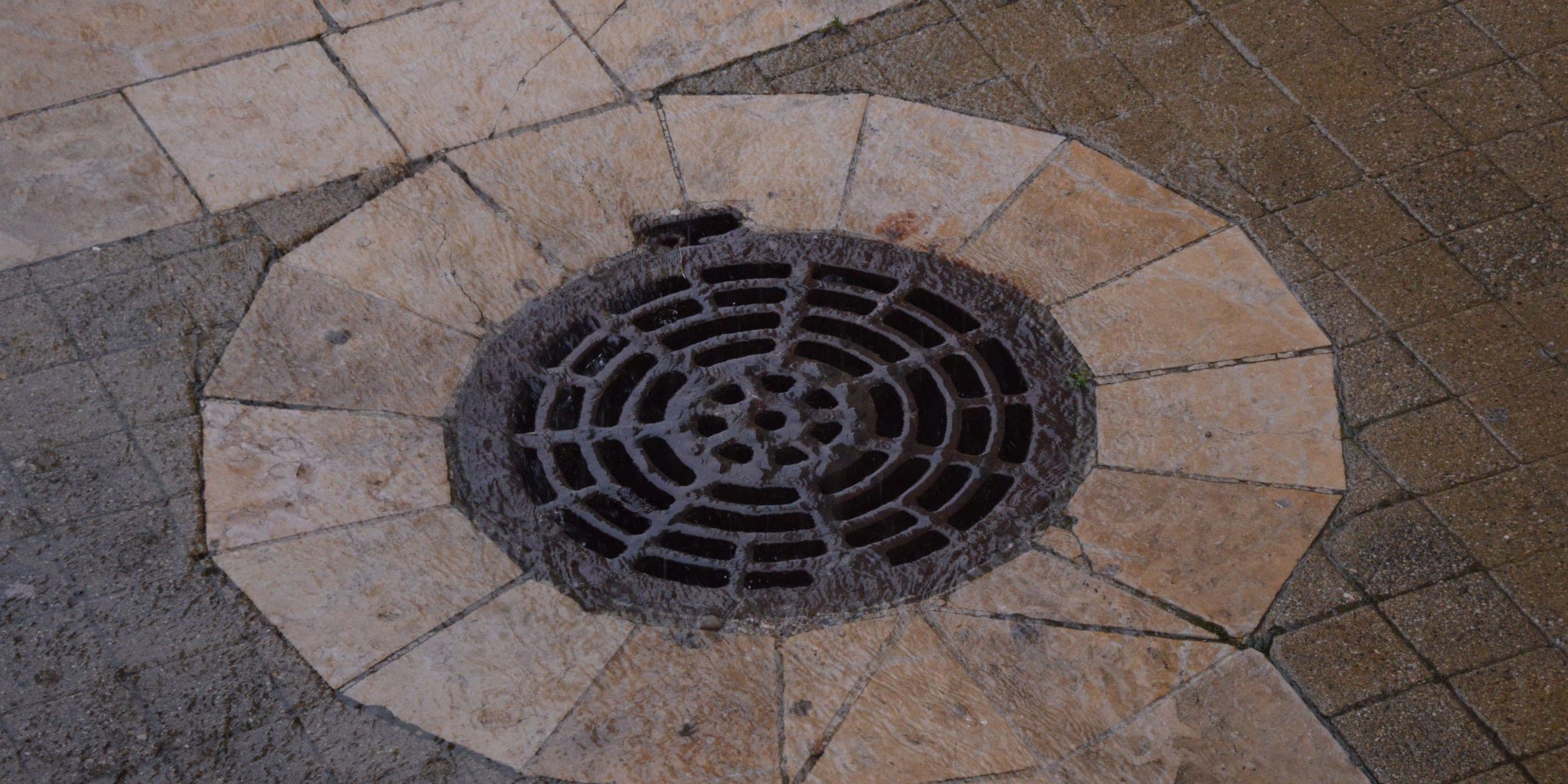
Yard drains, also called area drains or catch basins, are the grates in patios, side yards and planters that carry rainwater away through buried pipes. Downspouts often feed into them. Clearing them means pulling out the leaves and silt that block them.
Why it matters
Most of the year's rain falls December through March, often in a few heavy storms. The EPA's moisture advice is to keep gutters clean and the ground sloped away from the foundation. H2OC, Orange County's stormwater program, adds that whatever reaches the street drains flows untreated to creeks and the ocean, so where you can, point downspouts at plants, a rain garden or a rain barrel.
Steps
- Find every grate, catch basin and pop-up outlet (the round caps in the lawn where buried downspout lines come out).
- Clear leaves and debris off each grate.
- Lift each grate and scoop out the leaves and silt that settle in the basin. Shake out and hose off any filter basket.
- Run a garden hose into each drain for a minute. The water should drain away steadily.
- At pop-up outlets, trim back grass that keeps the cap from opening and clear debris under the cap.
- Check that each downspout empties into a drain or onto ground that slopes away from the house, not against the foundation.
- If you have a sump pit, clear debris from it, check that the float moves freely, then pour in about 5 gallons of water. The pump should switch on and empty it.
When to call a pro
If water backs up out of a drain or will not go down after you clear the grate, the pipe is blocked further in. NDS suggests a plumbing snake; a plumber or drainage contractor can do that and run a camera through the line. Call one too if water pools against the house after storms or a sump pump does not start.
Safety
Wear gloves, since basins collect sharp debris. Unplug a sump pump before reaching into the pit. Put the leaves and silt in your green waste bin, not the street gutter.
Go deeper
General information, not professional advice. Your equipment's manual comes first when it says something different.
Sources
- NDS: lawn and landscape drainage tips
Clear grate openings, remove the grate to inspect the basin and remove settled debris at least twice a year; shake out and hose off catch basin filters; keep grass from blocking pop-up emitters and clear debris under the cap; use a plumbing snake for clogs in the pipe. - H2OC Stormwater Program (Orange County): yard drainage
Leaves and clippings clog drains and lead to flooding; dispose of yard debris in covered bins; redirect downspouts to a rain garden, dry creek bed, rain barrel or underwatered area; slope the yard away from the house; storm drains flow untreated to Orange County's creeks, rivers and ocean. - EPA: a brief guide to mold, moisture and your home
Clean and repair roof gutters regularly, and make sure the ground slopes away from the foundation. - Zoeller: how to tell if a sump pump is working
Pour about five gallons of water into the basin and the pump should switch on; make sure the float moves freely; clear the basin of debris; check the outlet pipe sends water away from the foundation. - NOAA National Centers for Environmental Information: 1991-2020 monthly precipitation normals, John Wayne Airport
Most of the year's rain (8.89 of 11.18 inches) falls December through March. Fetched 2026-09-25.