How to recaulk a tub or shower
Updated . By the OakTend team.
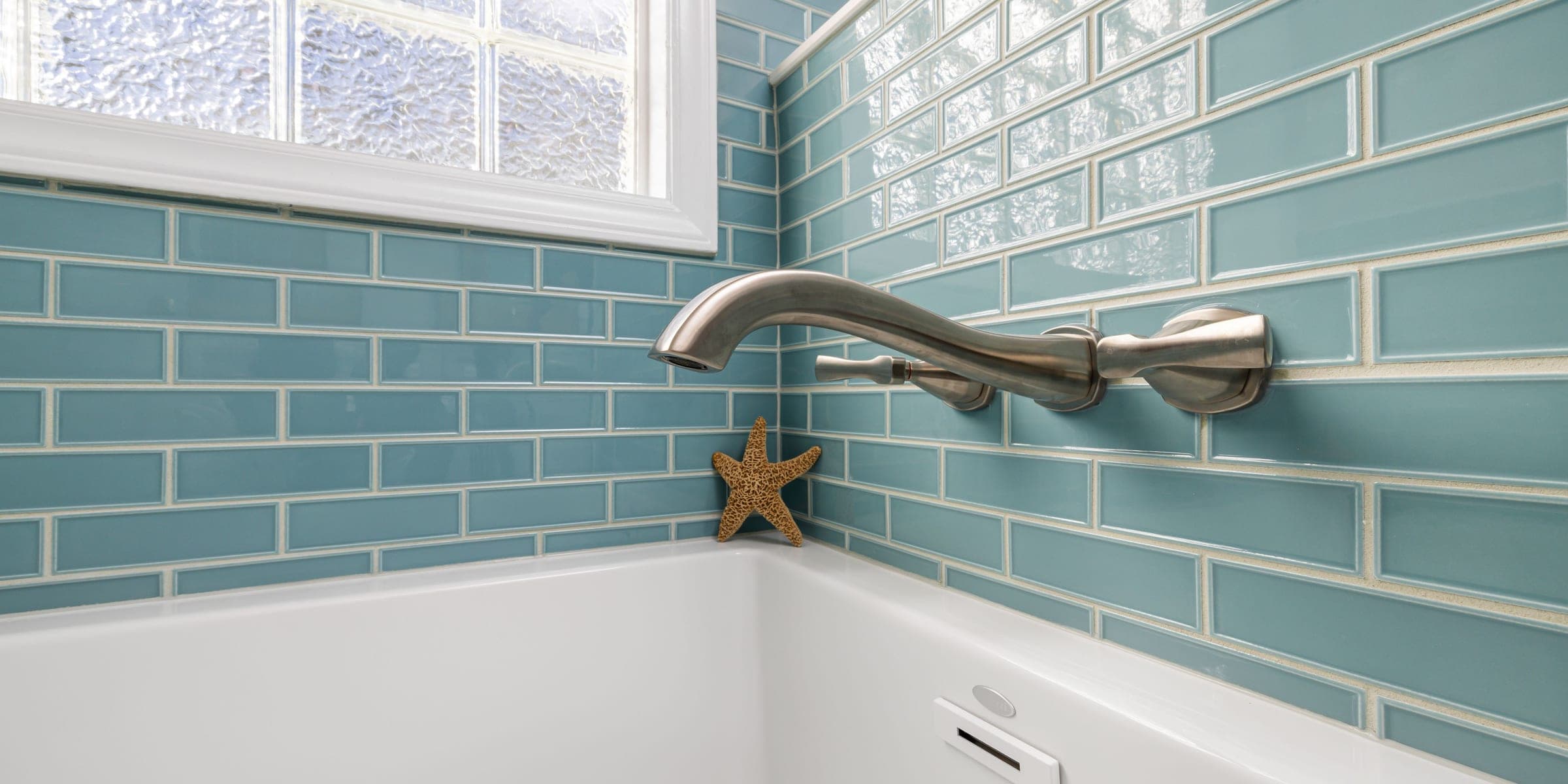
Caulk seals the joint where the tub or shower pan meets the tile or wall. When it cracks, peels or stays black after cleaning, you cut it out and lay a fresh bead.
Why it matters
A failed bead lets shower water run behind the tile, where it soaks the wall and framing out of sight. The EPA says the key to mold control is moisture control, and this joint is one of the most common ways water gets into a bathroom wall.
Steps
- Cut along both edges of the old bead and pull it all out. Scrape off what is left.
- Scrub any mold off the surface with detergent and water.
- Wipe the joint with rubbing alcohol and let it dry completely.
- Run painter's tape about 1/8 inch from each side of the joint.
- Lay one steady bead along the joint without stopping halfway.
- Smooth it right away, before the surface skins over.
- Pull the tape while the caulk is still wet.
- Keep the joint dry and untouched for 24 hours.
When to call a pro
If the tile or wall feels soft, tiles are loose, or mold keeps coming back after you dry and reseal, water may already be inside the wall. Have a plumber or licensed contractor look for a leak.
Safety
Do not caulk over mold, which the EPA warns against: clean it off and dry the joint first. Open a window or run the fan while you work.
General information, not professional advice. Your equipment's manual comes first when it says something different.
Sources
- GE Sealants: how to recaulk your bathtub
Remove the old caulk; tape about 1/8 inch from each side; shape the bead before it skins; avoid touching or wetting the seal for 24 hours; silicone rather than acrylic in wet areas. - EPA: what are basic mold cleanup steps?
Scrub mold off hard surfaces with detergent and water and dry completely; do not paint or caulk moldy surfaces. - EPA: a brief guide to mold, moisture and your home
The key to mold control is moisture control.