Termite tenting in Orange County: when you need it, and how it works
Updated . By the OakTend team.
Treatment facts come from the University of California's pest program (UC IPM) and the state Structural Pest Control Board.
Drywood or subterranean: how do I tell them apart?
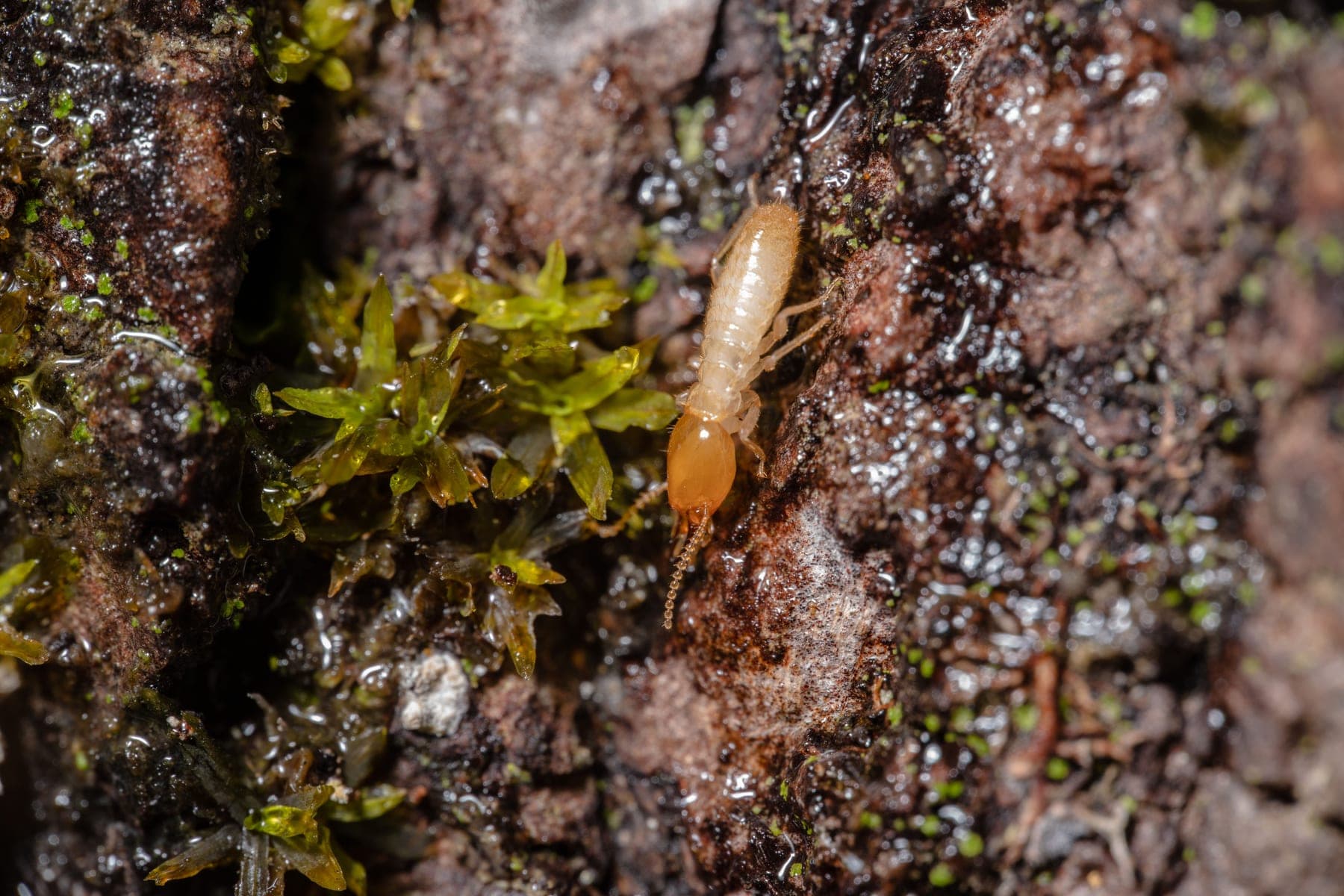
Orange County homes get both. UC IPM says drywood termites are most prevalent in Southern California, and subterranean termites are common throughout the state.
- Drywood termites nest above ground, inside dry, sound wood such as rafters, fascia, window frames and furniture, with no connection to the soil. The giveaway is their droppings: small, hard pellets with six sides, pushed out of tiny kickout holes and collecting in little piles below. UC IPM says the swarmers fly during the day in summer and fall.
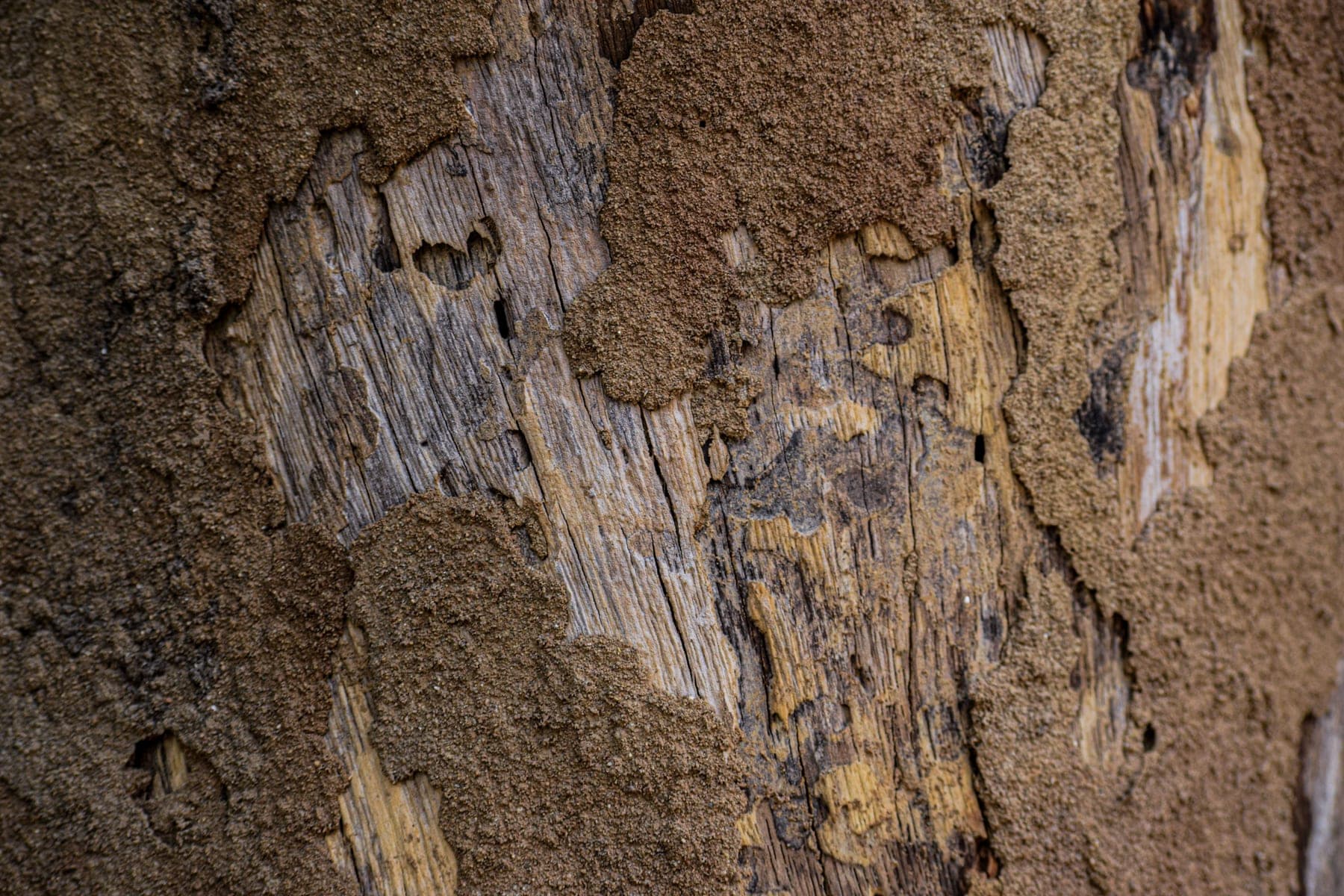
- Subterranean termites live in the soil and need moisture. They reach the house through wood that touches the ground or by building shelter tubes, the mud tubes you see running up a foundation or a garage wall. The state pest board describes those tubes as about the diameter of a pencil. UC IPM says the common native species swarms in the afternoon in spring or fall, on clear days after a soaking rain.
Winged ants fool a lot of people. The pest board's test: termites have straight antennae, a uniform waist and wings of equal size, while ants have elbowed antennae, a pinched waist and longer front wings. It also points out that a swarm out in the yard does not necessarily mean the house is infested.
Tenting or local treatment: which one do I need?
For drywood termites, UC IPM sorts every method into two groups. Whole-structure treatment treats every infestation at once, including the ones nobody found. Localized or spot treatment goes after a single board or a small group of boards. Its summary is blunt: because drywall and other coverings hide colonies, one can never be sure all infestations have been treated when applying localized treatments.
Whole structure: fumigation or heat
Fumigation, the familiar tent, uses sulfuryl fluoride gas. UC IPM says it has high levels of efficacy if correctly applied, and that a monitored fumigation, with gas monitoring lines inside the house, has the highest rate of success. The costs are days out of the house and possible roof damage from the tarps. Heat is the nonchemical option: the wood is brought to at least 120 degrees for at least 33 minutes, and you are out for hours instead of days. Its weakness is heat sinks, such as wood on concrete or tile, that are hard to get up to temperature.
Neither one protects the house afterward. UC IPM says fumigants and heat have no residual effect, so a new colony can start later.
Local or spot treatment
Injected liquids, dusts and foams, localized heat, or cutting out and replacing the infested wood. UC IPM says effectiveness is high when the colony is located correctly and the treatment gets directly onto the termites, that results vary a great deal by product, and that home-use products are not effective. On orange oil, it says lab and field tests from two universities question the efficacy of d-limonene, its active ingredient.
The pest board draws the line in plain terms. Fumigation and whole-house heat are the only choices that ensure eradication in the entire structure. Spot control may be effective for a small, contained infestation, but it will not reach hidden ones. Any company that claims whole-house results from spot treatment is guilty of false advertising and should be reported.
Subterranean termites
These are treated at the soil, not with a tent. The pest board says subterranean termites require separate treatments that create a barrier between the building and the nest in the ground. UC IPM describes barrier applications around the perimeter by trenching, drilling or rodding, and bait stations, which it says can work but may take months or even years and need constant monitoring. If a company finds both kinds, you should see two separate line items.
How do I read a termite report when I buy or sell?
The report covers wood destroying pests and organisms, which includes fungus as well as termites. Under Business and Professions Code section 8516 the company delivers it to whoever ordered it and to the owner within 10 business days of the start of the inspection, and files the address with the Structural Pest Control Board. It can be a complete, limited, supplemental or reinspection report, so check which one you got.
When you order one, the company has to tell you that a separated report is available. Ask for it. The board's rules sort the findings into:
- Section I: visible evidence of active infestation or infection, or conditions that resulted from it. Live termites, damaged wood, fungus. This is the problem.
- Section II: conditions likely to lead to infestation where none was found. The law lists earth touching wood, excessive moisture, evidence of roof leaks, wood debris under the house and poor ventilation. Mostly maintenance you can schedule.
- Further inspection: areas the inspector could not get into, which are neither.
Every report carries a notice that different companies should find the same things but may recommend different fixes, and that you have a right to a second opinion. If you ask, the bid has to price each recommendation separately (for work the company does), which is what lets you compare two bids line by line. A reinspection within four months cannot cost more than the original inspection.
What does a termite inspection cover?
The inspector reports on every accessible part of the house that wood destroying pests attack. The board's rule names the substructure, foundation walls and footings, porches, patios and steps, stairways, air vents, stucco walls and attached structures, plus any wooden deck, stairs or landing touching the house. The report must list what was not inspected and why, such as furnished rooms, attics with no access, the inside of walls, floors under coverings and spots blocked by storage or locks. Clear the attic opening and the garage walls before the visit so less ends up on that list.
In escrow
No law we found requires a termite report on every sale. Civil Code section 1099 applies when the purchase contract or the lender makes a report a condition, and then the seller has to give the buyer a copy as soon as practical before the sale closes. It is a separate report from the general home inspection, which leaves pests out (see our home inspection guide). Who orders the report, who pays for it and who pays for Section I or Section II work are terms of your purchase contract, not rules in the statute, so settle them there.
When the work is done, the company can certify under section 8519 that the property is now free of evidence of active infestation or infection in the visible and accessible areas. Note "visible and accessible": the certificate does not cover what nobody could see. Section 8516 and the board's report rule set no expiration date for a report.
The board's online search shows whether a property has been inspected within the last two years, and you can request copies of those reports. That is worth doing before you buy; our new homeowner checklist covers the rest of the first year.
What affects the cost of termite treatment?
We print no price range: neither the university nor the state board publishes one. Bids are built from:
- Which termite, and how widespread. One accessible colony in a fascia board is a small job. Evidence in several parts of the house pushes toward whole structure.
- Size of the building. A tent job scales with the volume being tented. UC IPM notes the time out of the house depends on the volume and the amount of gas. Ask whether gas levels will be monitored inside.
- Wood repair. Replacing damaged fascia, rafter tails or framing is carpentry, priced separately.
- Warranty. Whole structure, or only the treated spots.
The pest board's advice on timing: termites damage wood slowly, the damage from taking an extra day, week or month to decide is usually insignificant, and you should avoid firms that push you to sign right away. Our guide on reading a contractor's quote applies here too.
OakTend keeps your inspection reports, the fumigation date and the warranty paperwork in your home's record, and reminds you when a yearly look around the eaves and the foundation is due.
Keep your home's records together, freeTermite tenting prep, timing and re-entry: how do I get ready?
The pest board's fact sheet covers the basics. All people, pets and plants have to be out, including fish. Medicines and food that are not sealed in metal, glass or highly resistant containers must be removed or sealed in protective bags. A fumigation can take from six hours to one week. The company puts a secondary lock on every outside door, and nobody goes back in until the licensee certifies the house safe for re-entry.
Your gas has to be off first. SoCalGas says it closes the gas service before a fumigation and restores it afterward at no cost, needs at least two business days of notice, and that only SoCalGas or its certified contractors may operate the service shut-off valve, not the fumigator. Schedule the restore visit when you schedule the shut-off.
Before the fumigant goes in, the company must have an occupant fumigation notice signed by you, naming the pest, the fumigant and its active ingredients, and the dates. It must also ask about drains, conduits or other paths that could carry gas into a building next door, which matters for a townhouse or condo with shared walls. The fumigant itself has no smell, so a warning agent such as chloropicrin is released with it.
When the house is safe, the company posts a re-entry notice with the date and time it was released and the company's license and phone numbers. A permanent tag goes in the attic or the garage naming the company, the date and the fumigant, which is how a buyer can tell a house was tented. Pellets can keep falling from old tunnels afterward, and the board says that alone does not necessarily mean the fumigation failed.
If anyone gets headaches, dizziness, nausea or shortness of breath within 24 hours, leave and call a doctor or poison control at (800) 222-1222, then the company and the board. Locally, the OC Agricultural Commissioner's office looks into suspected pesticide problems.
Before you sign, look the company up on the Structural Pest Control Board's license search. The board also takes complaints.
How do I make my house less inviting?
UC IPM's prevention list: keep a 12-inch gap of concrete or other inorganic material between soil and structural wood, move wood piles away from the house, fix leaks promptly, and keep exterior wood sealed or painted. Our Orange County maintenance checklist puts the yearly check in swarm season.
City pages: Huntington Beach, Newport Beach, Costa Mesa, Seal Beach, Tustin and Orange, or every city on the Orange County hub.
As of October 2026. The UC IPM drywood termite note was last updated in 2014 and the pest board brochure in 2019, so products and practices may have moved on. General information, not pest control, legal or safety advice: treatment decisions belong with a licensed inspector who has seen your house.
Sources
- UC IPM Pest Notes: Drywood Termites
Drywood termite signs and swarm timing, whole-structure versus localized treatment, fumigation and heat details, no residual effect, and the d-limonene (orange oil) finding. - UC IPM Pest Notes: Subterranean and Other Termites
Where each termite type lives, shelter tubes, subterranean swarm timing, barrier and bait treatments, and the prevention list. - Structural Pest Control Board: Questions and Answers About Termites
Termite signs, the ant versus termite test, that only fumigation and whole-house heat ensure eradication in the entire structure, the false advertising warning, and the advice not to be rushed. - Structural Pest Control Board: Fumigation for Pest Control
What must be removed or bagged before fumigation, that it can take six hours to one week, secondary locks, and re-entry only after the licensee certifies the house safe. Re-read 2026-10-12: the signed occupant fumigation notice and what it names, the question about drains and conduits that could carry gas next door, the chloropicrin warning agent, the posted re-entry notice, the permanent fumigation tag in the attic or subarea, pellets after treatment not necessarily meaning failure, and the symptoms that mean leave and call within 24 hours, with the poison control number (800) 222-1222. - Structural Pest Control Board: search for termite inspection information
The board's database shows whether a property was inspected within the last two years, and copies of the reports can be requested. - Structural Pest Control Board: search for a license
Where to verify a structural pest control company or licensee before hiring. - California Business and Professions Code section 8516
Re-read 2026-10-03: the report goes to whoever ordered it and the owner within 10 business days and the address is filed with the board; it can be complete, limited, supplemental or reinspection; a separated report must be offered and lists evident infestation and conditions likely to lead to it; the second-opinion notice; an itemized bid on request; a reinspection within four months cannot cost more than the original. - California Code of Regulations, title 16, section 1990 (Cornell LII copy)
Checked 2026-10-03: Section I is visible evidence of active infestation or infection or conditions that resulted from it, Section II is conditions likely to lead to it with no evidence found, and further inspection items are areas the inspector could not reach. Re-read 2026-10-12: the report covers all accessible areas, naming the substructure, foundation walls and footings, porches, patios and steps, stairways, air vents, stucco walls and attached structures, and any wooden deck, stairs or landing touching the structure; it must state which areas were not inspected and why, naming furnished interiors, inaccessible attics, the interior of hollow walls, floors beneath coverings and areas where storage or locks make inspection impracticable. - California Civil Code section 1099
Checked 2026-10-03: the seller must give the buyer a copy of the structural pest control report as soon as practical before transfer when the report or certification is a condition of the contract or of the financing. - California Business and Professions Code section 8519
Checked 2026-10-03: the certification states the property is free of evidence of active infestation or infection in the visible and accessible areas. - SoCalGas: how to prepare for fumigation
SoCalGas closes and restores gas service for a fumigation at no cost, needs two business days of notice, and only it or its certified contractors may operate the service shut-off valve. - California Civil Code section 4775
In a condo or townhouse association, unless the CC&Rs say otherwise, the association repairs and maintains the common area and each owner their own unit. - OC Agricultural Commissioner: pesticide regulation
Opened 2026-10-12: the county Agricultural Commissioner's staff look into illnesses, injuries, or complaints related to or suspected to be related to pesticide use.