How to anchor furniture and TVs for earthquakes
Updated . By the OakTend team.
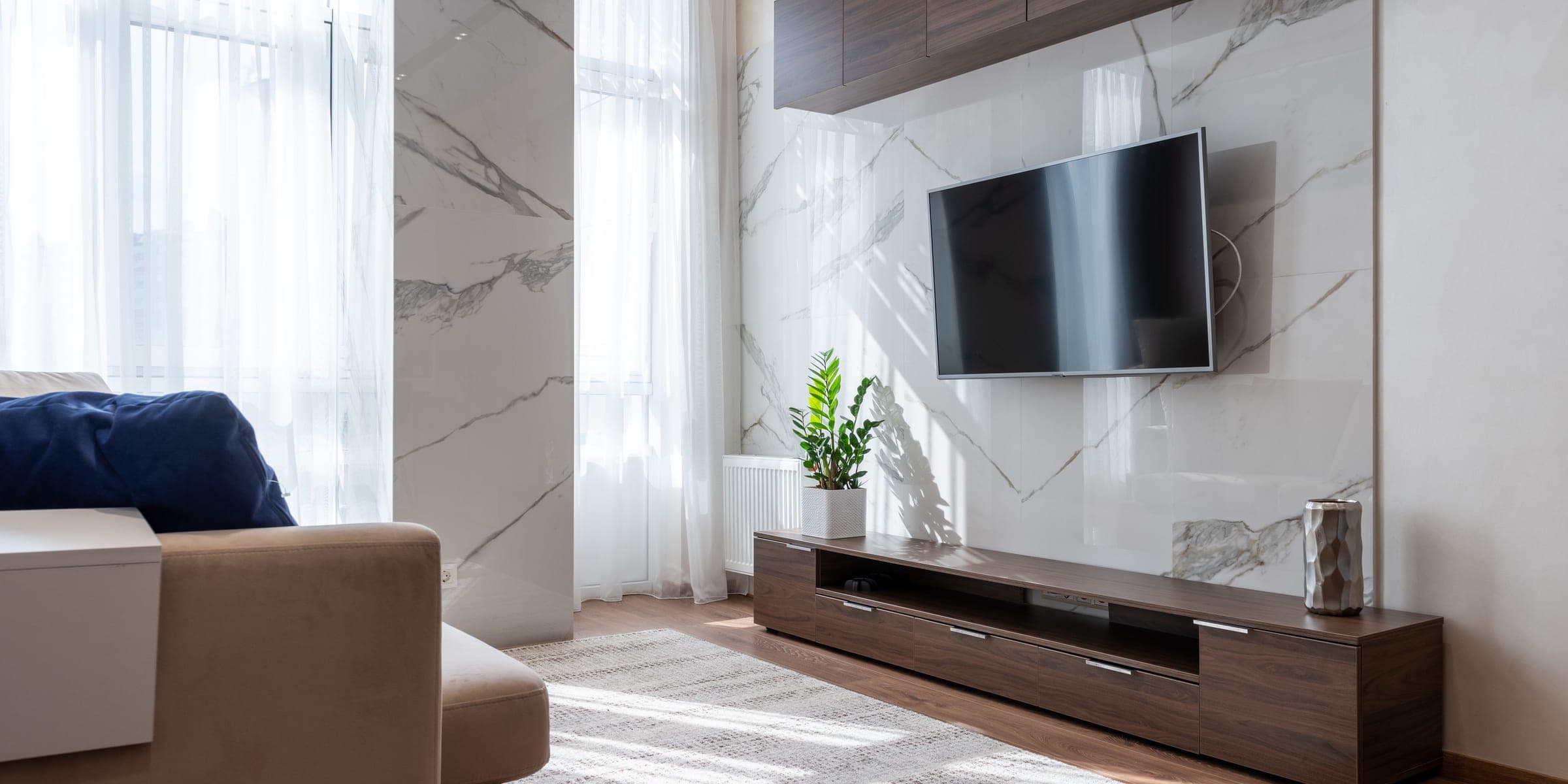
Fasten tall or top-heavy furniture, and every TV, to the wall with anti-tip brackets and straps screwed into the studs.
Why it matters
Orange County sits in earthquake country, and the Earthquake Country Alliance reports that 55 percent of injuries in the 1994 Northridge earthquake came from falling furniture and objects. The same straps prevent the everyday tip-over that the CPSC warns about with dressers and TVs.
Steps
- Start with the pieces near beds, couches and where kids play, plus every TV.
- Find a wall stud behind each piece with a stud finder.
- Screw the wall bracket into the stud.
- Attach the matching bracket to the top back of the furniture or to the TV, per the kit's instructions.
- Push the piece back against the wall, connect the strap and snug it up.
- Tug on it to make sure it holds.
- Move heavy things to low shelves, and hang mirrors and pictures on closed hooks.
When to call a pro
Ask a handyman to do it if the wall is masonry or you cannot find a stud where the piece sits, or if the item is very heavy, like a gun safe or a large aquarium.
Safety
Anchor it even if it feels heavy enough to stay put. The CPSC's guidance is to anchor all furniture with drawers, doors or shelves, because pulled-out drawers shift the weight forward.
Go deeper
General information, not professional advice. Your equipment's manual comes first when it says something different.
Sources
- U.S. Consumer Product Safety Commission: Anchor It!
Anchor furniture with drawers, doors and shelves to prevent tip-overs; the kit, the steps and the tug test. - Earthquake Country Alliance: Step 1, secure your space
Secure top-heavy furniture to wall studs and TVs with straps; 55 percent of Northridge earthquake injuries came from falling furniture or objects; move heavy items low; hang mirrors and pictures on closed hooks.