Repiping a house in Orange County: copper vs PEX
Updated . By the OakTend team.
When does a whole-house repipe make sense?
A repipe replaces the hot and cold water supply lines from where the water enters the house to every fixture. It does not touch drains or the sewer line, which are a separate system and a separate job (see our sewer line guide). It starts to make sense when repairs stop being one-offs:
- A second slab leak. One leak can be bad luck. Two suggests the rest of the pipe is the same age and in the same condition. Our guide to slab leak repair in Orange County compares a repipe with a spot repair or a reroute.
- Pinhole leaks in walls or the attic in more than one place over a few years.
- Galvanized steel supply lines in an older house, showing up as rusty water when a tap first opens and pressure that has faded over the years.
- A remodel that already opens the walls. The drywall work is a large share of a repipe, so doing it while walls are open is the cheapest time it will ever be.
It does not make sense just because a house is old. Pipe that is not leaking, holds pressure and runs clear can be left alone and watched.
Copper or PEX: how do they compare?
Both are used for repipes across Orange County, and the difference you will notice first is the job, not the water.
Copper
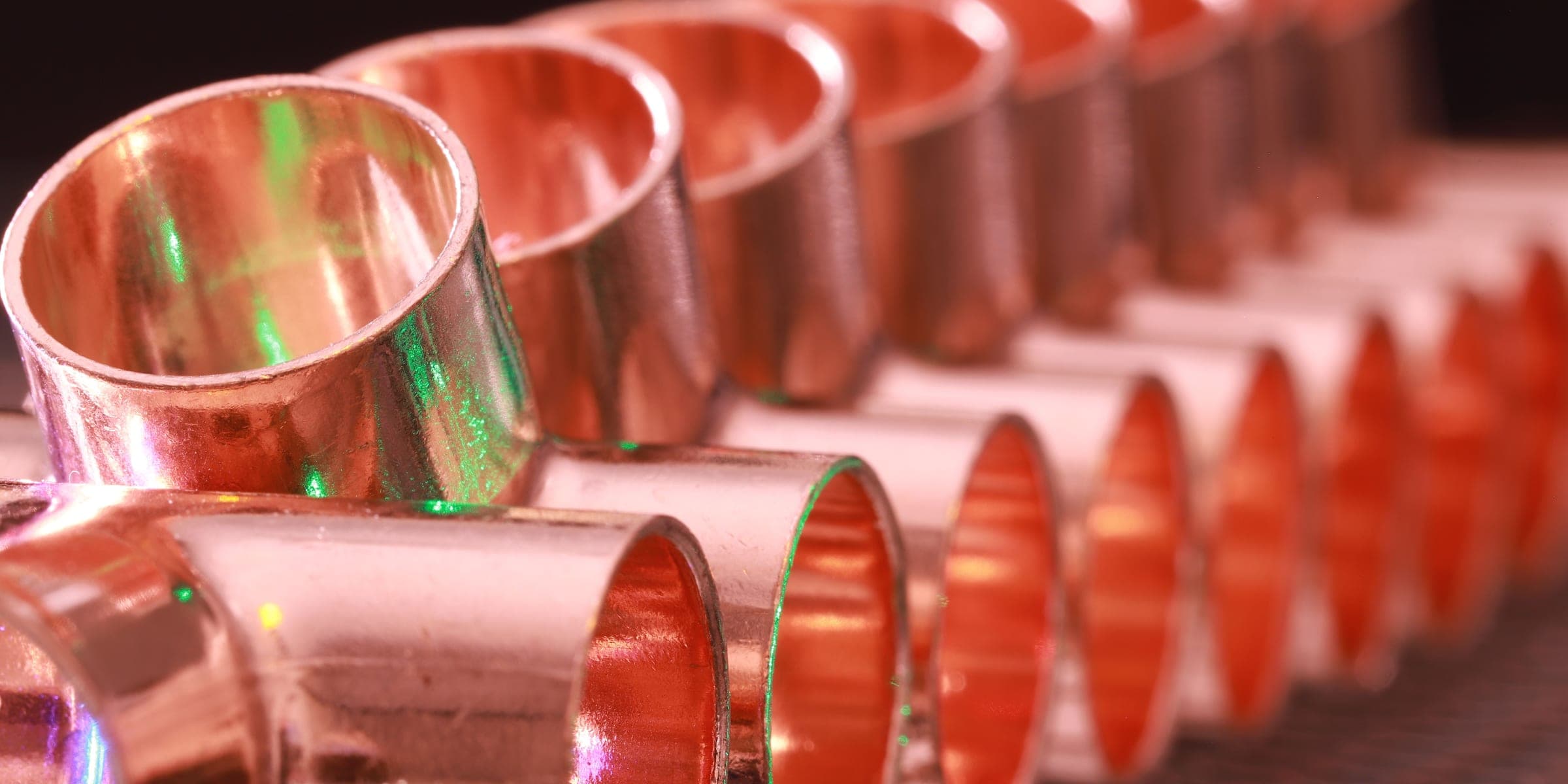
Rigid pipe, cut to length and soldered at every joint and turn. It is the material most local houses already have, so plumbers, inspectors and buyers all know it. It costs more in material and takes more labor, and rigid pipe generally means more and larger openings in drywall to get it around framing.
PEX
Flexible plastic tubing that comes in long coils. A design guide prepared for HUD's housing technology program and the plastic pipe industry, hosted by HUD, describes the practical differences: it bends around obstructions, which cuts down on fittings, it is joined with mechanical fittings instead of solder and flame, and it does not pit or corrode. The same guide is clear about the weak point, which is sunlight. It says PEX should not be installed outdoors unless it is buried or properly protected from UV, and that each manufacturer publishes a maximum exposure limit. So any run outside the wall needs to be covered or switched to another material. Fittings and installation methods vary by brand.
What to ask for either one: the exact product and type, written into the contract; how the stubs at each fixture and the water heater connections will be done; and whether the city you live in has any local conditions on the material. Your building division approves the material on the permit, so that is the place to confirm it, not a sales brochure. Whatever goes in the walls, the water stays hard; our hard water guide covers what scale does to pipes and heaters.
Do I need a permit to repipe a house?
Yes in the cities we checked. Repairing a leak can be exempt, but new pipe is new work that needs a permit and an inspection (our slab leak repair guide shows where Yorba Linda draws that line). The permit is usually quick: Fountain Valley lists a residential repipe among its expedited permits, and Santa Ana lists residential repipes on its same-day express permit list, which means no plan check, not no permit.
The inspection is the part that protects you. The inspector sees the new piping while the walls are still open, before anything is patched. A contractor who wants to close the walls the same day they finish, with no inspection, is telling you there is no permit.
Our Orange County permit guide covers the smoke alarm check at final sign-off and why the contractor, not you, should pull the permit.
What affects the cost of a repipe?
We found no reliable published price for Orange County. Bids are built from these pieces, and you can ask about each one:
- Fixture count. Most repipe bids start from the number of fixtures: each sink, toilet, tub, shower, hose bib, the water heater, the washer and the fridge line.
- Stories and access. A single-story house with a walkable attic is the simple case. Two stories, low-slope roofs with no attic, and slab-only routes all add labor.
- Material. Copper costs more than PEX in both pipe and labor.
- Patching. The biggest swing between bids. Some include drywall patch, texture and paint. Some stop at the plumbing and leave you with open holes. Tile, plaster and wallpaper cost more to put back than painted drywall.
- Extras while the water is off. New shutoff valves at each fixture, a new main shutoff and a pressure regulator are commonly offered. Ask for them as separate line items.
- Permit and inspections. Should be in the bid, by name.
The Contractors State License Board says to get at least three written bids based on identical scope, and not to automatically accept the lowest. For a repipe, identical scope means the same material, the same fixture list and the same answer on patching. Our guide on reading a contractor's quote goes line by line.
OakTend keeps the bids, the permit, the inspection sign-off and the warranty for a job like this in your home's record, dated, so you can find them when you sell or when something leaks.
Keep your home's repair record, freeWhat should the contract and the week look like?
The Contractors State License Board says a contract should detail the work, the price, when payments will be made, who gets the building permits and when the job will be finished, and must identify the contractor with an address and license number. California also caps the down payment on a home improvement contract, which our deposit rules guide explains.
Ask how long the water will be off each day and whether it will be back on each night. Ask who protects floors and furniture and who hauls debris. In a house built before 1978, ask about lead paint; our slab leak repair guide covers the rule. When the job is done, walk every fixture, hot and cold, and look at the meter with everything off.
City pages: Santa Ana, Fountain Valley, Fullerton, Orange and Buena Park, or every city on the Orange County hub.
As of September 2026. Permit rules and approved materials are decided by your building division. General information, not plumbing or legal advice.
Sources
- HUD User: Design Guide, Residential PEX Water Supply Plumbing Systems (NAHB Research Center, 2006)
PEX bends around obstructions with fewer fittings, uses mechanical fittings instead of solder, does not pit or corrode, and must be protected from sunlight within each manufacturer's exposure limit. - Contractors State License Board: finding the right contractor
Get at least three written bids based on identical scope, and do not automatically accept the lowest bid. - Contractors State License Board: contracts and binding agreements
What a contract should detail: the work, price, payment timing, who gets the permits, the finish date, and the contractor's address and license number. - City of Fountain Valley: Plan Check Center, expedited permits
Fountain Valley lists a residential repipe among its expedited permits. - City of Santa Ana: PBx Same Day Express Permit Program
Santa Ana lists residential repipes on its same-day express permit list.