Solar and batteries in Orange County
Updated . By the OakTend team.
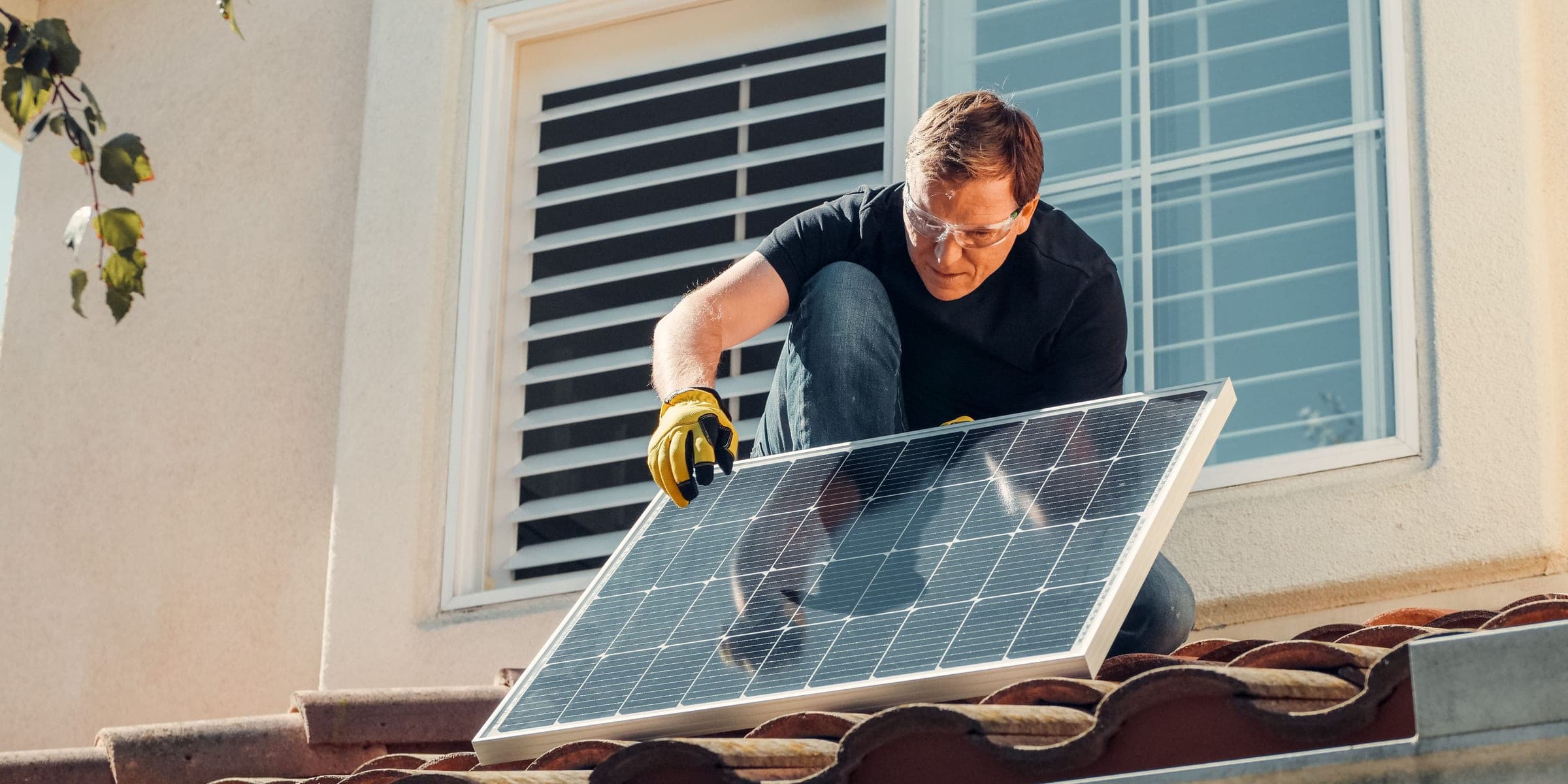
No prices or savings estimates here on purpose.
What changed on April 15, 2023
Systems that apply to connect to Southern California Edison (SCE), Pacific Gas and Electric (PG&E) or San Diego Gas & Electric (SDG&E) since that date go on the Net Billing Tariff, often called NEM 3.0 (net energy metering). SCE calls it the Solar Billing Plan. Solar you use yourself still offsets power you would buy. The change is in what you get for the rest:
- Exports are credited at their hourly value to the grid. The CPUC says that is usually lower than the retail rate, but can rise above it on late summer evenings.
- A set time-of-use rate. At SCE it is TOU-D-PRIME.
- Nine years locked. The original customer keeps the tariff for nine years. SCE and PG&E customers who apply before the end of 2027 also get slightly higher export credits for those nine years; SDG&E customers do not.
- Monthly bills. Charges are due each month, and extra credits roll forward to a yearly true-up.
A system already on the older NEM 2.0 tariff can stay on it for 20 years from the date it was connected.
Why batteries matter more now
SCE's prices are highest on summer weekdays from 4 to 9 p.m., as the sun goes down. A battery stores daytime solar to use or export in those hours, and the CPUC names that as the way to get the most bill savings under the tariff. Some solar and battery installs also need a bigger electrical panel; see our panel upgrade guide.
Anaheim and south county
Anaheim Public Utilities, the city's own electric utility, says it is not going to NEM 3.0. New Anaheim systems go on its NEM 2.0 program, which credits exported power at a wholesale-based rate on its rate sheet. A grandfathered NEM 1.0 customer who adds panels moves the whole system to NEM 2.0. Anaheim issues permits for systems under 10 kW without plan review, and you can turn the system on once the city signs off the permit; the utility does not issue a separate permission to operate.
SDG&E, not SCE, serves parts of southern Orange County. Check the name on your bill.
Permits: the automated route
Government Code section 65850.52, added by SB 379, requires cities over 5,000 people to offer an online, automated permit for home solar up to 38.4 kW and a battery paired with it, issued in real time to a licensed contractor. Cities over 50,000 had until September 30, 2023; smaller ones until September 30, 2024. Systems the platform cannot check go through regular review.
Huntington Beach and Fountain Valley use SolarAPP+, and both still inspect the finished work. Irvine issues same-day solar and battery permits online for a system with no more than one battery. Fountain Valley's plan checklist asks for fire access pathways on the roof and the roof covering, so if the roof is near the end of its life, see our roof replacement guide first: reroofing later means taking the panels off.
What an HOA (homeowners association) can and cannot do
California Civil Code section 714 voids HOA rules that effectively prohibit solar. For a solar electric system, a reasonable restriction can add no more than $1,000 to the cost or cut efficiency by no more than 10 percent. Our HOA and coastal remodel guide covers the written decision and the 45-day deadline.
The federal tax credit in 2026
The Residential Clean Energy Credit covered 30 percent of the cost of solar installed from 2022 through 2025, and batteries of at least 3 kWh from 2023. The IRS says it is not available for property placed in service after December 31, 2025. If a 2026 quote still subtracts it, ask the installer to explain in writing.
For comparing bids and deposits, see reading a contractor's quote and California's deposit rules.
As of September 2026. Your utility and your city have the current rules. This is general information, not financial, tax or legal advice.
Sources
- California Public Utilities Commission: Net Energy Metering and Net Billing
Since April 15, 2023, new PG&E, SCE and SDG&E customer-generators take service on the net billing tariff; exports are credited at their value to the grid, usually below retail but sometimes above it on late summer evenings; a specific electrification TOU rate (TOU-D-PRIME at SCE) is required; the original customer keeps the tariff for nine years; PG&E and SCE customers who apply before the end of 2027 get a nine-year export adder, SDG&E customers do not; bills are due monthly with credits rolling to the true-up; batteries maximize bill savings; NEM 2.0 customers may stay on it for 20 years from interconnection. Checked 2026-09-26. - Southern California Edison: how Solar Billing Plans work
SCE calls the tariff the Solar Billing Plan, its customers are on TOU-D-PRIME, and prices are highest on summer weekdays from 4 to 9 p.m. Checked 2026-09-26. - San Diego Gas & Electric: about us
SDG&E serves San Diego and southern Orange counties. Checked 2026-09-26. - Anaheim Public Utilities: Solar Energy and Net Metering
Anaheim is not going to NEM 3.0; its NEM 2.0 program is wholesale-based; grandfathered NEM 1.0 customers who expand move the whole system to NEM 2.0; permits under 10 kW are issued without review; the system can operate after the city signs off the permit, and the utility does not issue permission to operate. Checked 2026-09-26. - Anaheim Public Utilities: Net Energy Metering 2.0
Anaheim now offers wholesale-based rates for exported energy under NEM 2.0. Checked 2026-09-26. - California Government Code section 65850.52 (SB 379)
Cities must offer an online automated permitting platform such as SolarAPP+ for residential solar up to 38.4 kW and paired storage, issued in real time to a licensed contractor; cities under 5,000 are exempt; cities of 50,000 or fewer by September 30, 2024 and larger ones by September 30, 2023; systems SolarAPP+ cannot process are not required to go through it. Checked 2026-09-26. - City of Huntington Beach: SolarAPP+
Huntington Beach uses SolarAPP+ for residential PV permits, and the work is verified through city inspection. Checked 2026-09-26. - City of Fountain Valley: SolarAPP+
Fountain Valley accepts SolarAPP+ approvals through its Permit Center, with inspections requested after the permit. Checked 2026-09-26. - City of Fountain Valley: solar PV permit process
Solar plans show code-compliant roof access pathways and the type and number of existing roof coverings. Checked 2026-09-26. - City of Irvine: adding a rooftop solar energy system
Irvine issues residential solar and battery permits the same day, automatically, for rooftop systems up to 38.4 kW with no more than one battery. Checked 2026-09-26. - California Civil Code section 714
HOA rules that effectively prohibit solar are void; reasonable restrictions on a PV system may not add more than $1,000 or cut efficiency more than 10 percent; decisions must be in writing and an application not denied within 45 days is deemed approved unless delayed by a reasonable request for information. Checked 2026-09-26. - IRS: Residential Clean Energy Credit (page reviewed July 4, 2026)
The credit was 30 percent of qualified costs for solar installed from 2022 through December 31, 2025, and for batteries of at least 3 kWh from 2023; it is not available for property placed in service after December 31, 2025. Checked 2026-09-26.