How to check a home fire extinguisher
Updated . By the OakTend team.
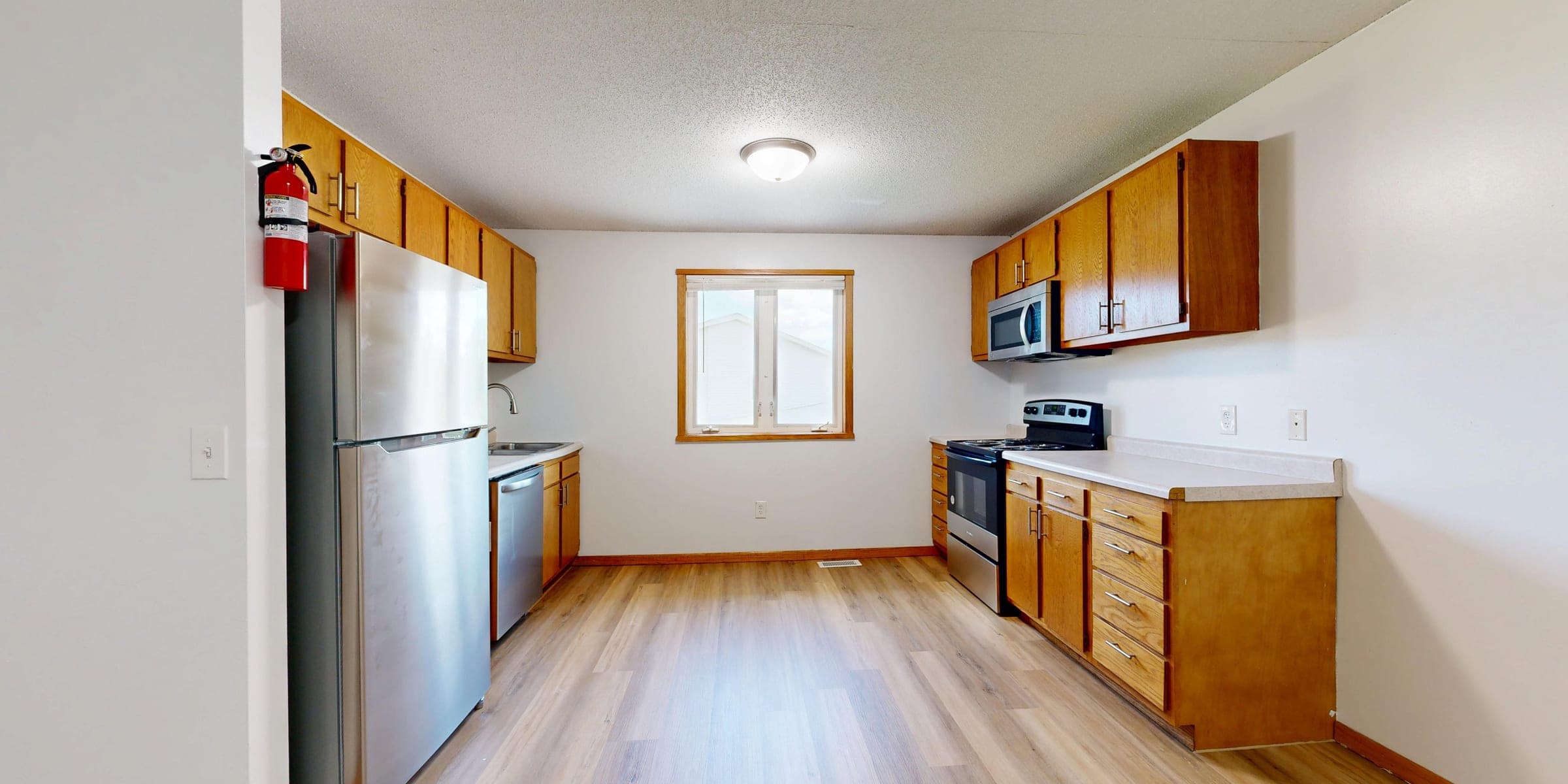
Give your extinguisher a quick look: pressure, pin, hose, body and where it hangs. It takes a minute and tells you whether it will work when you grab it.
Why it matters
An extinguisher that has lost pressure, or sits behind the trash cans, is no help in the first seconds of a kitchen or garage fire. The U.S. Fire Administration recommends a multipurpose A-B-C extinguisher for most homes.
Steps
- Read the pressure gauge, if it has one. The needle should sit in the normal (usually green) band.
- Check that the pull pin and its seal are in place.
- Look over the can, hose and nozzle for dents, rust, cracks or a blocked opening.
- Read the label for your model's shaking or testing schedule, and follow it.
- Make sure it hangs where you can reach it quickly, on your way out of the room rather than past the fire.
- Replace or recharge it after any use, even a short one, as the label directs.
When to call a pro
If the gauge reads too high or too low, or the can is damaged, have it recharged by a fire extinguisher service company or replace it. The U.S. Fire Administration notes some models can be recharged and others cannot.
Safety
Use it only if everyone has been alerted, someone has called the fire department, the fire is small and contained, you are clear of the smoke and you have a way out. Then: pull the pin, aim low at the base of the fire, squeeze the lever slowly and sweep side to side.
General information, not professional advice. Your equipment's manual comes first when it says something different.
Sources
- U.S. Fire Administration: fire extinguishers
A-B-C extinguishers for most homes; check pressure gauges and look for damaged, dented or rusted parts; some need monthly shaking and others pressure testing every few years; some can be recharged; the questions to answer before fighting a fire; the PASS method.